Choosing the Right Scraper Tractor for Your Needs
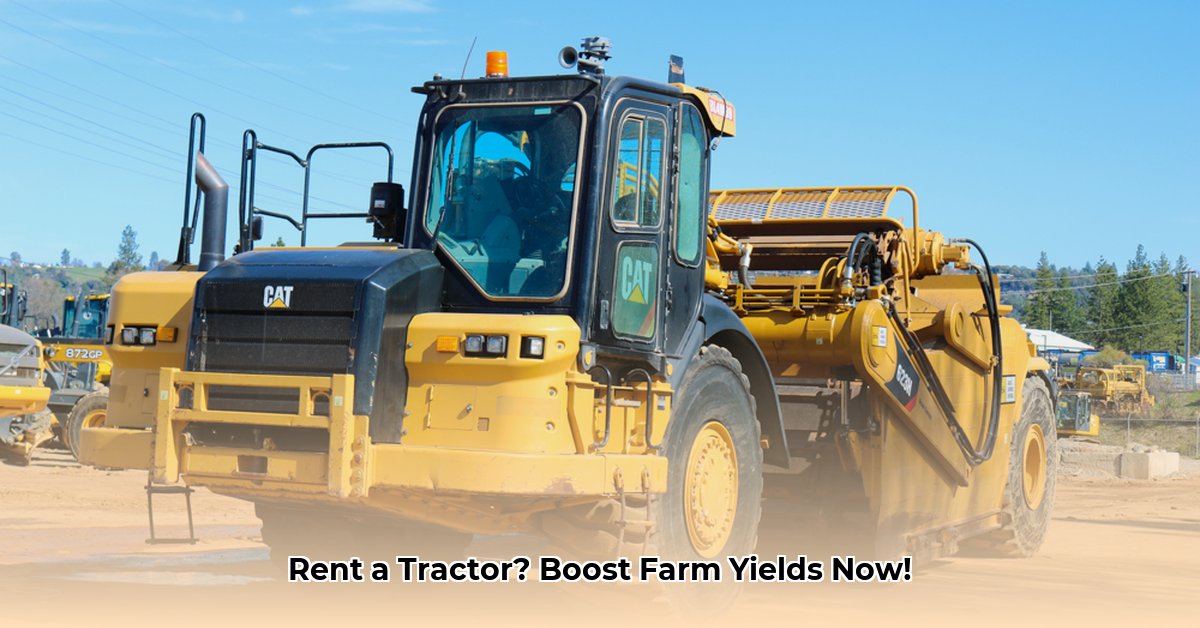
Selecting the right scraper tractor is crucial for efficient and sustainable farming. Consider the scale of your project. A small field leveling job requires a different machine than a large-scale land clearing project. Horsepower directly impacts the volume of earth moved and the speed of operation. Higher horsepower translates to faster work completion, but also higher fuel consumption — a point to consider in your environmental assessment. Furthermore, the specific tasks influence the ideal tractor features. Land leveling needs may differ from soil preparation for planting. Reviewing detailed specifications and images online will help you visualize how the machine's size and capabilities align with your requirements. Operator comfort is also vital for increased efficiency and reduced fatigue. Learn more about automated options with autonomous tractors.
Finding a Trustworthy Rental Partner
Finding a reliable rental provider is as important as choosing the tractor itself. Thoroughly research potential providers by checking online reviews, contacting local farmers for recommendations, and directly contacting the rental companies. A reputable provider will openly share details about their maintenance programs, ensuring the equipment is in optimal working order. Scrutinize the rental agreement meticulously before signing. Ensure that insurance coverage, liability clauses, and breakdown provisions are clearly defined. Understand your responsibilities regarding maintenance and potential repairs. A transparent company will readily address your questions and offer support throughout the rental period. Don't hesitate to ask for references.
Environmental Considerations: Sustainable Practices with Scraper Tractors
Minimizing the environmental impact of scraper tractor use is vital for sustainable farming. Fuel efficiency is a major factor, influencing your carbon footprint. Techniques like proper tire pressure management significantly reduce soil compaction, limiting fuel consumption and protecting soil health. No-till farming complements scraper use by reducing the need for extensive soil disturbance. Consider exploring alternative fuels, such as biodiesel, to further reduce emissions. Careful planning ensures that the efficiency gains from using a scraper tractor don't come at the expense of environmental sustainability.
| Mitigation Strategy | Environmental Benefit |
|---|---|
| Proper tire pressure | Reduced soil compaction, less fuel use |
| No-till farming | Protects soil health, less erosion |
| Biodiesel fuel | Lower greenhouse gas emissions |
Cost-Benefit Analysis: Rent or Buy?
The decision to rent or buy depends heavily on your specific circumstances. Purchasing involves a substantial upfront investment, coupled with ongoing expenses like maintenance, repairs, and storage. Renting, on the other hand, eliminates the initial capital outlay. You only pay for the duration of your project. To make an informed decision, create a comprehensive cost comparison. This should include the initial purchase price (if buying), ongoing maintenance costs, fuel costs for both renting and owning, and storage fees (if owning). Weigh these against the rental costs to determine which option aligns best with your budget and project needs. For short-term or infrequent use, renting is often the more fiscally sound approach.
Safety and Regulations: Prioritizing Responsible Operation
Safety should always be paramount. Become completely familiar with all safety protocols before operating the rented scraper tractor. Regular pre-operation checks are vital. Understand your local regulations and compliance requirements concerning emissions and safety standards. Ignoring these could result in serious penalties. Remember, a safe operation protects both you and the environment.
Case Study: Real-World Applications of Scraper Tractor Rentals
A farmer in Iowa successfully used a rented scraper tractor to level uneven terrain before no-till planting. By carefully managing tire pressure and employing biodiesel fuel, they minimized soil compaction. Consequently, they observed a measurable increase in crop yields during the following growing season. This demonstrates the integration of responsible scraper tractor rentals into eco-friendly agricultural practices. Such examples highlight the tangible benefits of strategic equipment rental for sustainable farming.
Conclusion: Making Informed Decisions for Sustainable Farming
Renting a scraper tractor can significantly boost farm efficiency while promoting environmentally conscious practices. Careful consideration of the factors discussed—tractor selection, provider reliability, cost-benefit analysis, and safety—will ensure informed decision-making. Smart planning and responsible implementation contribute to sustainable agricultural practices and long-term farm success. Remember, responsible equipment use leads to a thriving farm and a healthy environment.